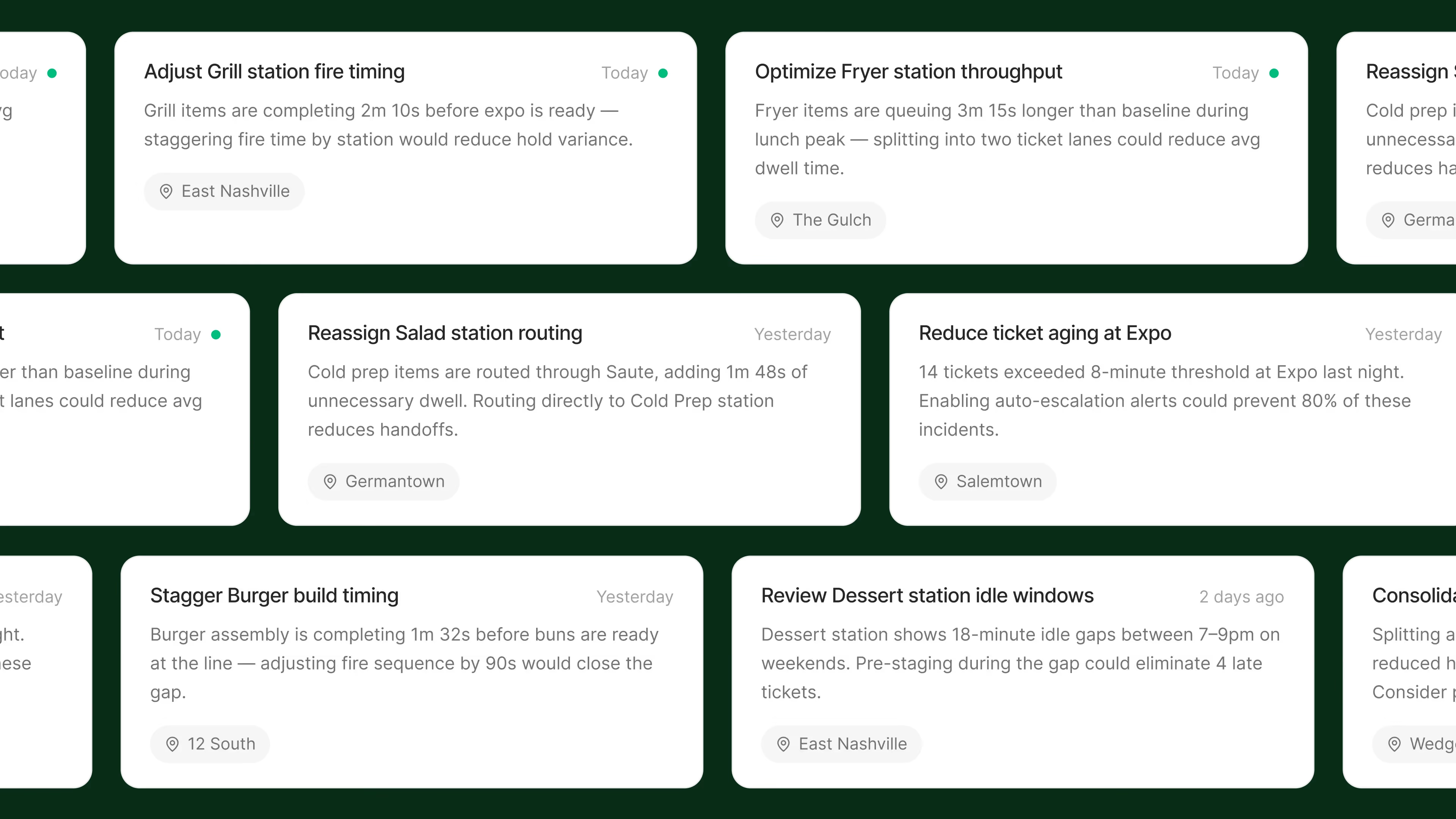
Every kitchen produces more data in a single shift than anyone has time to read. It collects data on order and item timing, station-specific activity, recalled tickets, and more. Most of that data never finds its way back to the people who need it the most: the people working in the kitchen. Maybe the data ends up getting exported and sent to a data lake or BI product. Maybe from there a business analyst builds a weekly report and sends it to the head of ops for the board meeting. By the time anyone seriously looks at the kitchen data, it's too late to do much about it.
Fresh KDS is building a way to bring the useful parts of it back the next morning, as a short, specific list of things to check. By shortening the cycle and putting the most meaningful information in the hands of store managers and kitchen staff, Fresh KDS is enabling restaurants to actually use the data to make positive changes in operations.
The problem with most kitchen reports
Reports exist. Dashboards exist. The two biggest problems with existing reports are audience and accessibility. If the only people looking at kitchen reports are in the corporate office, you're missing the window to effect change. By the time a pattern gets noticed, it may have been costing the kitchen orders for weeks. Fresh KDS is solving this by making the information available to the people who can do something about it. The second problem is accessibility. This refers to both the way reports are accessed and the content of the reports. If store managers have to go searching for reports and then figure out how to interpret the charts and graphs, they're less likely to get meaningful information from the data. Fresh KDS is not only putting the results in the places managers already are, but it's also translating the raw data into useful insights and recommendations.
What the recommendation actually does
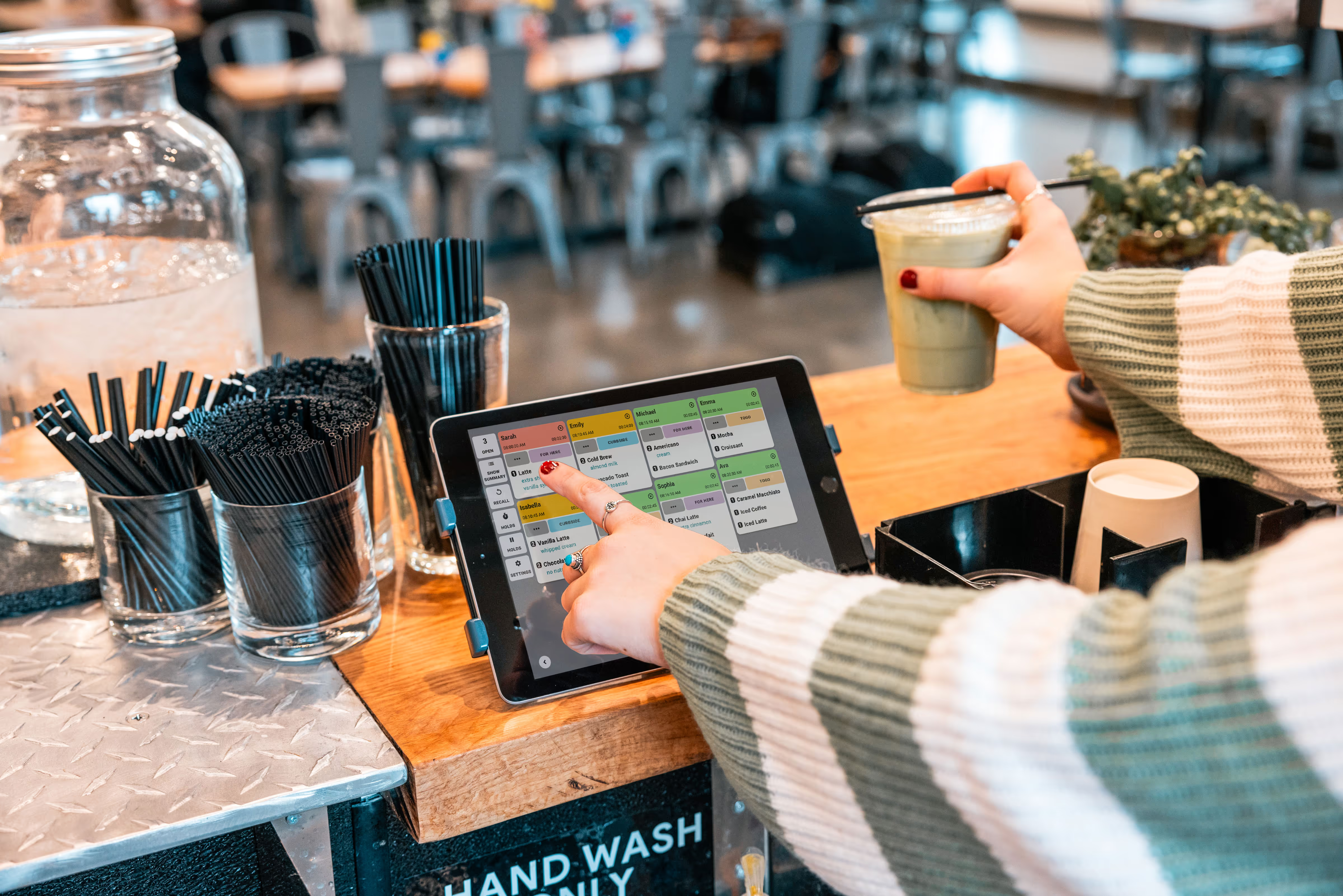
Fresh KDS's kitchen intelligence agent reviews the prior day's kitchen execution data and surfaces a small number of specific, concrete findings. Say a particular station ran slow during Tuesday's dinner rush. Instead of that pattern sitting unnoticed in a dashboard, it shows up the next morning as a specific item worth checking, tied to what actually happened at that station on that shift.
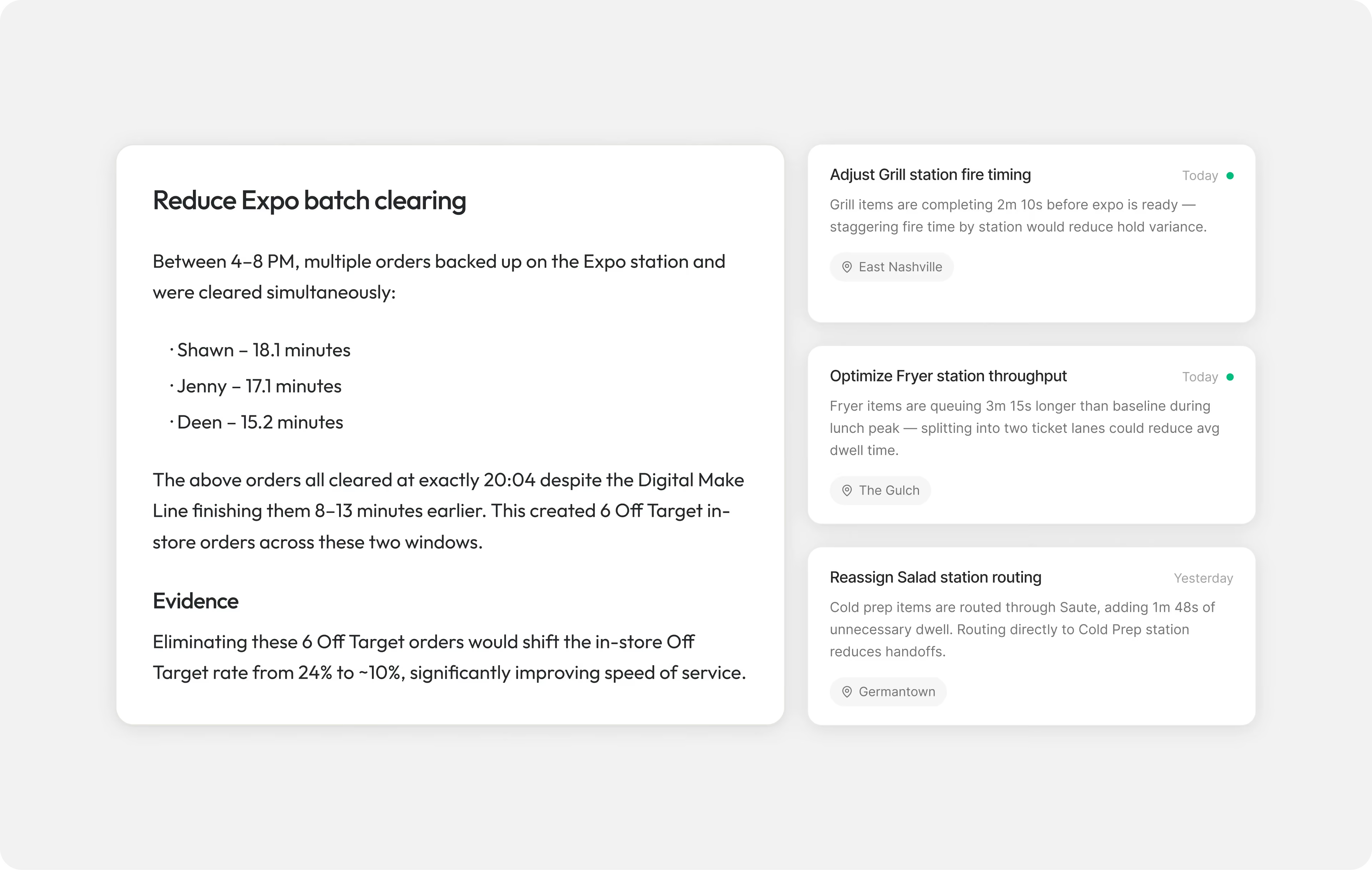
This is not a generic checklist. It is not a list of industry best practices. It is built from what happened in that kitchen, at that location, the day before. These are recommendations built for operators, not for corporate. Implementing a recommendation can have an immediate effect on the kitchen's performance, which you can see as soon as the next day.
Grounded in your kitchen's own patterns
An industry benchmark tells restaurants how a "typical" kitchen performs. It does not tell you what is happening in yours. Your kitchen isn't "typical." It's unique and deserves to be treated as such. Each recommendation is built from that location's own execution data, which means the findings reflect the kitchen's actual patterns rather than an average or generalization that may not apply.
A human is still in the loop. An operator sees each finding and can tell Fresh KDS whether it was useful. That feedback shapes what gets surfaced next, so the recommendations get sharper over time instead of repeating the same generic advice. The power of the Fresh KDS platform comes from these two things: specific knowledge of each kitchen and the feedback loop from the people who are actually in the kitchen every day.
The takeaway
Kitchens already generate the data needed to catch problems early. The gap has been turning that data into something an operator can act on the next morning, without digging for it. That is the gap Fresh KDS is closing.
Ready to try Fresh KDS in your restaurant?




.png)


.webp)


