The Setup
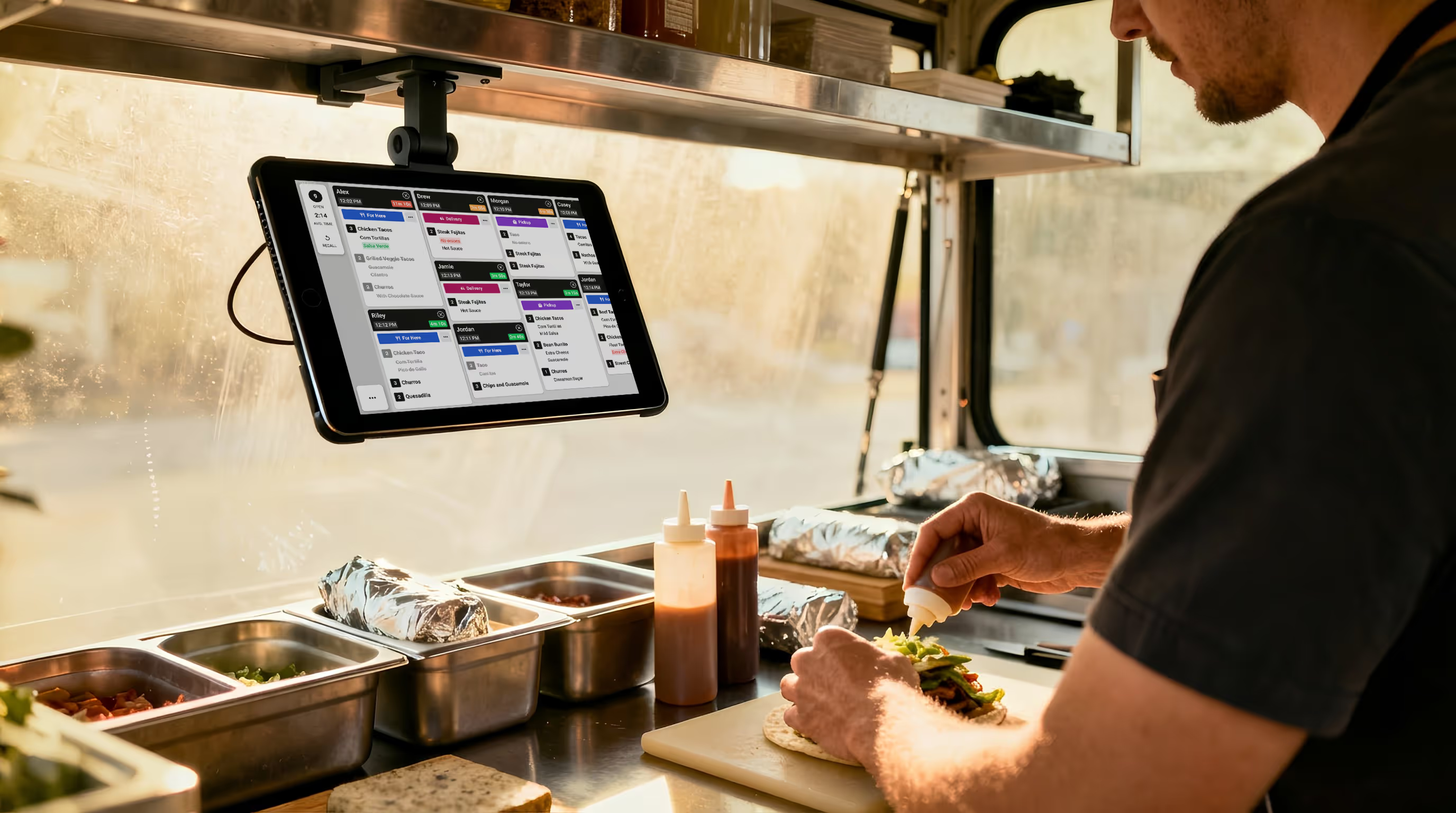
Meet The Radish Food Truck, a fictional food truck dishing up brick oven pizzas to hungry customers. The food truck typically posts up at events where there are several food truck options and a short window of time where customers are looking for a meal. If The Radish’s line gets too long, they’ll lose customers to other food trucks, so speed is critical. Let’s take a look at how Fresh KDS might help.
How They Use Fresh KDS
Avoiding Double Entry for Faster Order Taking
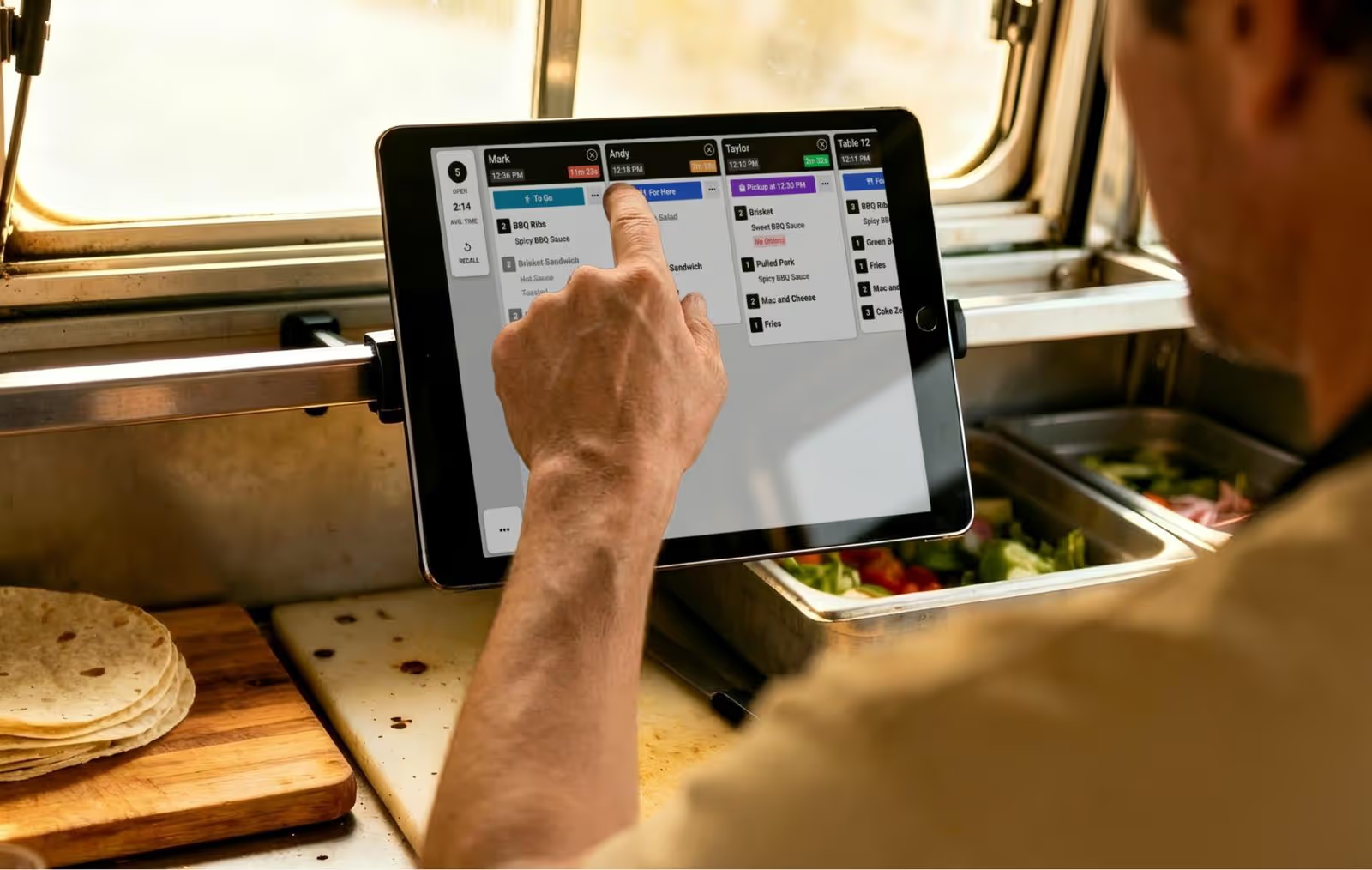
The Radish Food Truck uses Square as their point of sale. Before Fresh KDS the cashier had two jobs: write orders down on a slip of paper to pass to the cooks and then ring up the order in Square to collect payment. The handwritten slips were sometimes difficult to read, which led to mistakes or slowed down order preparation because the cook had to ask questions. The handwritten slips were also messy, and would occasionally get dropped on the floor or blow out the window on windy days. But perhaps the biggest inefficiency with the handwritten slips was that the cashier was doing double duty. They were essentially entering every order twice, which doubled the amount of time it took to place an order.
With the Fresh KDS Square integration, orders entered into the Square POS are automatically sent and displayed on the Fresh KDS screen. No more double entry. The cashier no longer had to switch between paper and the POS. They simply entered the order into Square, and the cooks were able to start on the order while the customer was paying. This change meant The Radish Food Truck’s line moved faster, looked shorter, and encouraged more customers to choose them over the competition.
Notifying Customers When Orders are Ready
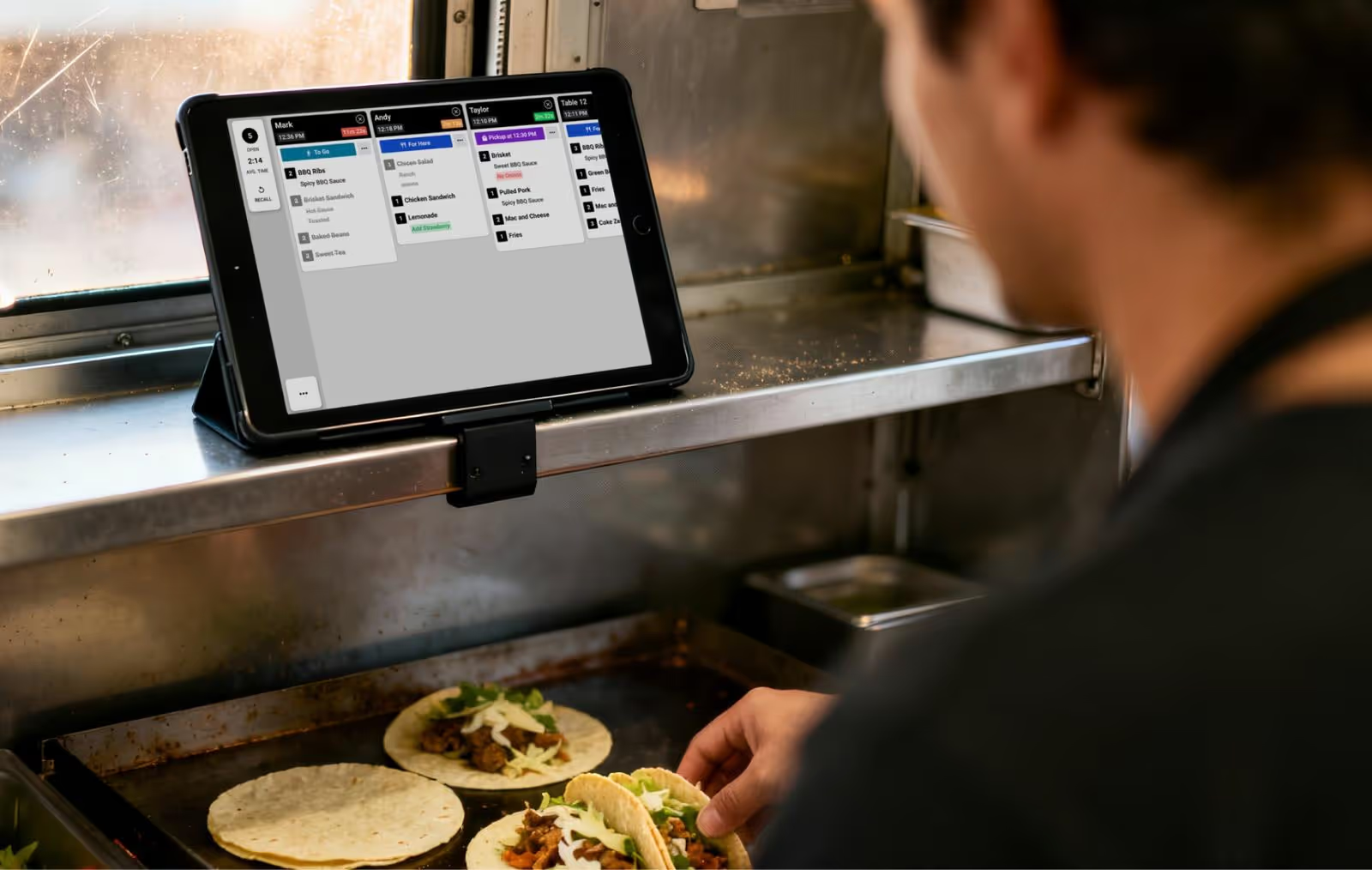
Another challenge The Radish Food Truck faced was one many food trucks experience. The process of handing off orders to customers was messy and inefficient. Customers would congregate close to the pickup window waiting to hear their name called, which created confusion about where the order line was compared to the pickup “line”. Occasionally, customers wouldn’t hear their name called, which meant the pizza sat in the window getting cold. And every once in a while a customer would pick up the wrong order.
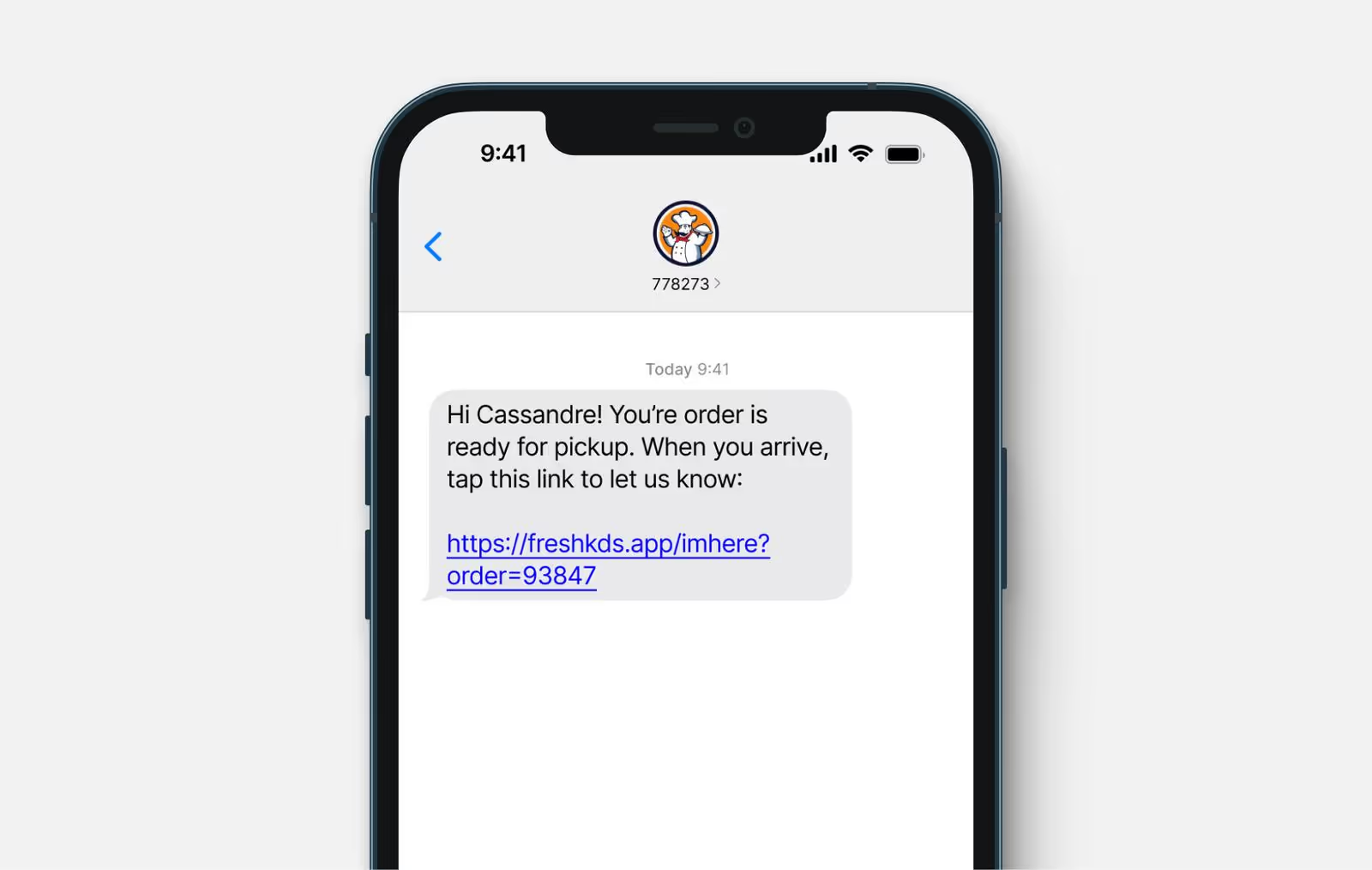
To help solve these problems, The Radish Food Truck implemented the Fresh KDS SMS feature and an integrated label printer. The cashier collected the customer’s phone number when placing the order. This was sent to the KDS, which was configured to send a custom SMS message when the order was ready. With the text notifications, customers no longer had to mill around the pickup window and there were never questions about if their order was ready or not. Additionally, The Radish Food Truck implemented a label printer, which automatically printed a label per pizza when the order was completed. These labels went on the boxes, and included the customer’s name and the content. This reduced confusion about which pizza box belonged to which customer.
Knowledge is Power
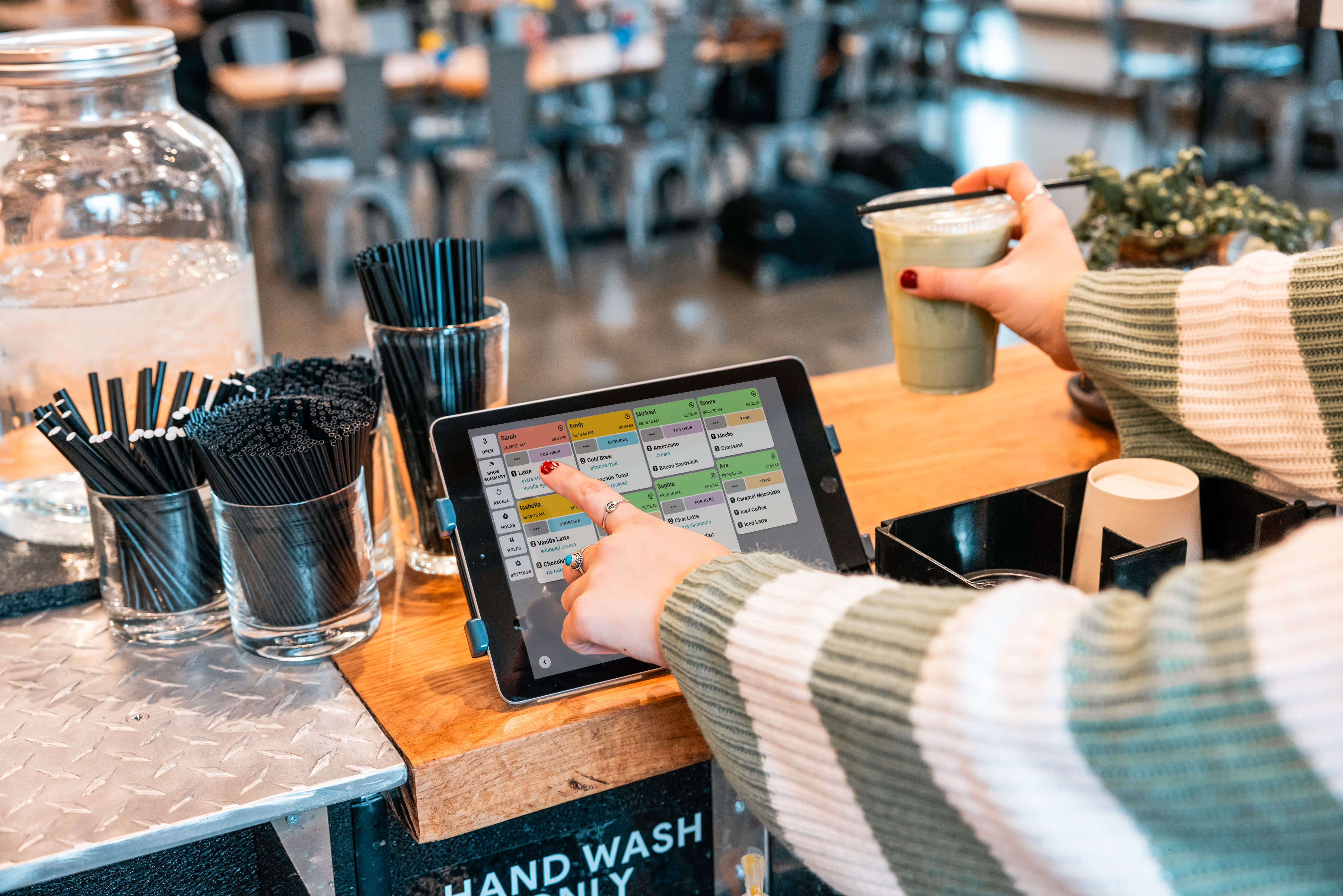
Speed of service is critical for food trucks because customers often only have a short window to get and eat their food. Before implementing Fresh KDS, The Radish Food Truck knew their goal was to get pizzas to the customers in less than 5 minutes. However, they didn’t really have a way to measure if they were hitting their goal or not. After the shift they could look at how many orders they processed per hour, but that was only POS data, not kitchen production data, and by the time they looked at the end of the day it was too late to do anything about it.
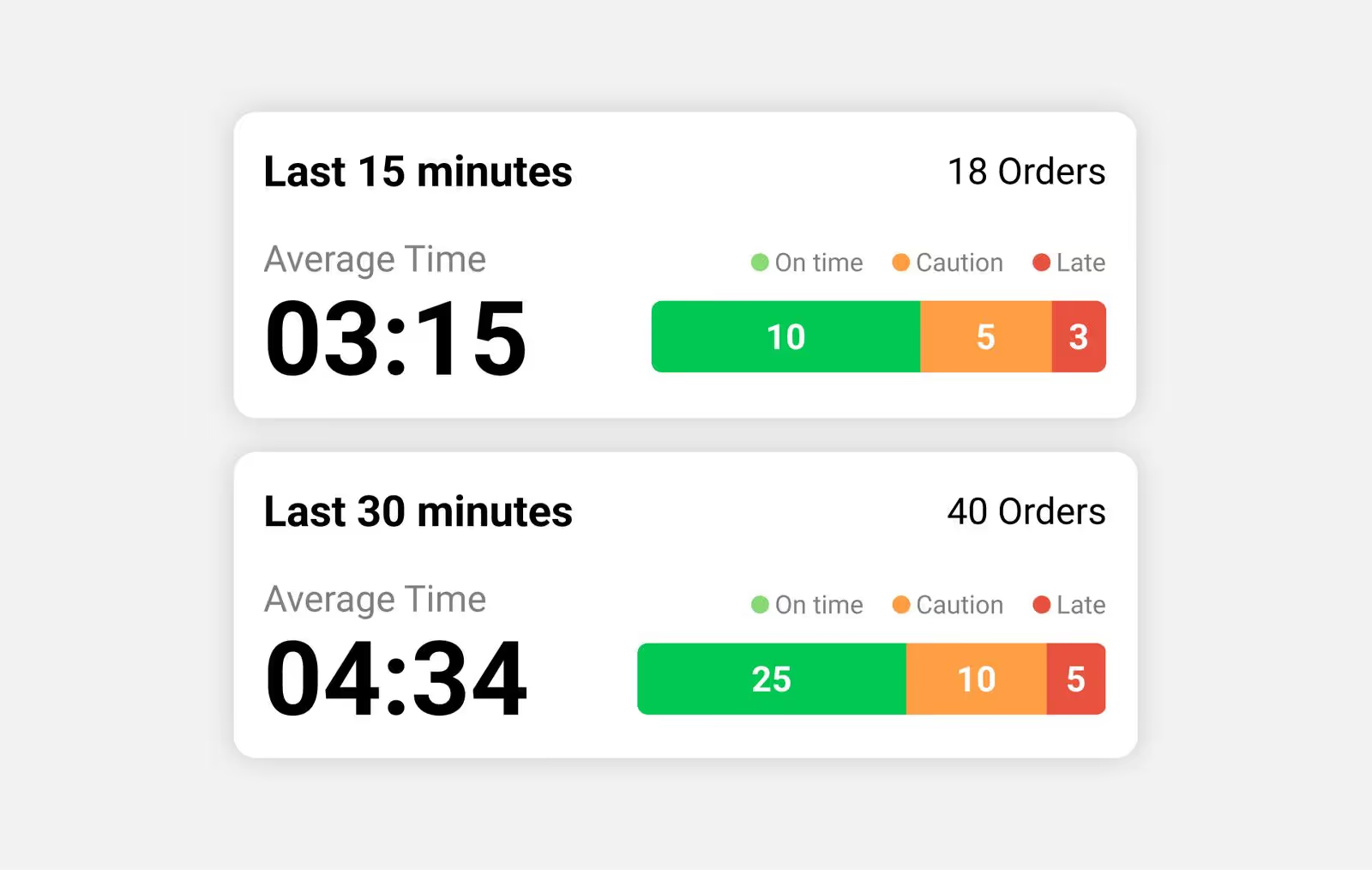
The digital display of Fresh KDS includes a timer on every order, which changes color from green to yellow to red as the speed of service targets are reached or exceeded. The Radish set their timers to count down instead of up, so they knew exactly how long they had to get an order out the window before it was considered “late”. In addition to the order-level timers, Fresh KDS showed metrics on recent performance, so the cooks knew exactly how they were doing and if they needed to speed up. Just having access to this information in real-time led to a significant improvement in speed, which they could now measure reliably.
Ready to try Fresh KDS in your restaurant?




.png)


.webp)


